
Questions
Dog Life Expectancy After Heartworm Treatment: What Fort Worth Owners Should Know
Most dogs survive heartworm treatment and go on to live a normal lifespan if the disease is caught early and no severe complications exist. Recovery depends on the dog's age, overall health, and strict adherence to exercise restriction during and after treatment.
Survival Rates for Dogs Undergoing Heartworm Treatment
The short answer: most dogs survive heartworm treatment and go on to enjoy a normal life expectancy. According to the American Heartworm Society, the survival rate for dogs undergoing treatment is well over 95% when the disease is caught early and the dog is otherwise healthy. Even in more advanced cases, with proper veterinary care and owner compliance, the outlook remains very good.
The table below breaks down survival rates by disease stage and key factors:
| Disease Stage | Survival Rate | Key Considerations |
|---|---|---|
| Class 1 (mild, no symptoms) | > 99% | Minimal heart/lung damage; full recovery expected |
| Class 2 (moderate, some symptoms) | 95–98% | Some lung changes; strict rest needed |
| Class 3 (severe, obvious symptoms) | 85–95% | Higher risk; requires close monitoring |
| Class 4 (caval syndrome, emergency) | 50–80% | Emergency surgery needed; guarded prognosis |
If your dog is diagnosed early, the prognosis is excellent. At Mellina Animal Hospital in Fort Worth, we have treated hundreds of heartworm-positive dogs over 40+ years, and the vast majority recover fully and go on to live a normal life span.
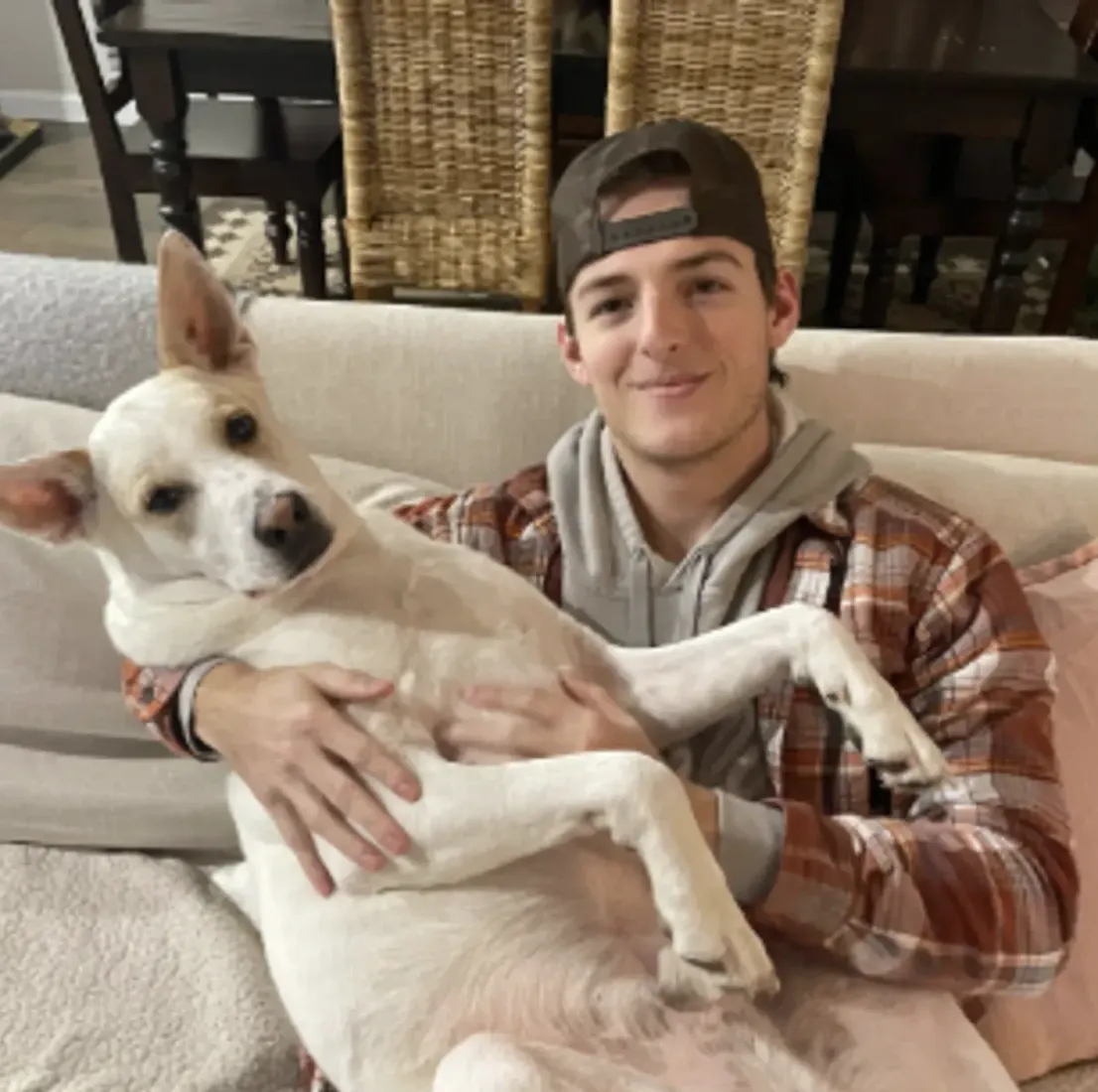

Long-Term Quality of Life After Heartworm Treatment
A good fit if…
- Your dog is otherwise healthy — Most dogs regain normal energy and activity within a few months after completing treatment.
- You can commit to strict rest — The recovery period requires limited exercise for several weeks, which is easier if you have a calm home environment.
- You're prepared for follow-up care — Regular vet checkups and heartworm tests ensure the infection is fully cleared.
Consider another option if…
- Your dog has severe organ damage — Advanced heartworm disease can cause lasting heart or lung issues, even after the worms are gone.
- Your dog is very old or frail — The treatment itself is tough on the body, and recovery may be harder for senior dogs.
- You cannot afford the full treatment plan — Discuss payment options with your vet; there may be ways to make it work.
How to decide: Talk to your vet about your dog's specific health status. They can run bloodwork and imaging to assess how much damage the heartworms have caused. Based on that, they can give you a realistic outlook for your dog's quality of life after treatment.
| Factor | Impact on Quality of Life |
|---|---|
| Stage of heartworm disease | Early stages often have full recovery; advanced stages may leave lasting effects. |
| Age of dog | Younger dogs typically bounce back faster; seniors may need more time. |
| Overall health | Dogs with other conditions (e.g., kidney or liver disease) may have a more complicated recovery. |
| Compliance with rest | Strict rest prevents complications and improves long-term outcomes. |
| Follow-up care | Completing rechecks and prevention ensures no reinfection. |
Key Factors That Influence Your Dog's Lifespan After Heartworms
Several factors determine how long your dog will live after heartworm treatment. Some are within your control; others depend on the stage of the disease at diagnosis. Here's what matters most:
- Stage at diagnosis – Dogs diagnosed in Class 1 or 2 have a normal life expectancy. Advanced cases may have some reduction, but many still live several more quality years.
- Strict exercise restriction – This is the most critical factor you control. During treatment and for 6–8 weeks after the final injection, keep your dog calm and confined. No running, jumping, or playing. Even a short burst of activity can cause a pulmonary embolism.
- Overall health and age – A young, healthy dog bounces back faster. Older dogs or those with other conditions (e.g., kidney disease, diabetes) may need extra monitoring but can still do well.
- Follow-up testing – A negative heartworm test 6 months after treatment confirms the worms are gone. Annual testing thereafter ensures no new infection.
- Year-round prevention – Once your dog is heartworm-free, monthly prevention is essential to avoid reinfection. Fort Worth's mosquito season is long, so don't skip winter doses.
If you have questions about any of these steps, our team at Mellina Animal Hospital is here to help. We serve Fort Worth, Arlington, Haltom City, and surrounding areas.
Fort Worth Climate Tips for Your Dog's Heartworm Recovery
- Time walks carefully — In Fort Worth's hot summers, walk your dog only in the early morning or late evening when temperatures are cooler. Even then, keep walks short and slow.
- Use indoor exercise — On scorching days, keep your dog indoors with air conditioning. Gentle indoor play like puzzle toys or nose work can provide mental stimulation without physical strain.
- Watch for overheating — Signs include excessive panting, drooling, or lethargy. If you see these, move your dog to a cool area and offer water. Call your vet if symptoms persist.
- Protect paws from hot pavement — Asphalt can burn paw pads. Test with your hand; if it's too hot for you, it's too hot for your dog. Stick to grass or shaded paths.
- Stay hydrated — Always bring fresh water on outings. Dehydration can stress the body and slow recovery.
- Plan for emergencies — If your dog shows signs of distress after hours, contact Fort Worth Animal Emergency Hospital. Our team is open Saturdays 8 AM–12 PM for urgent needs during business hours.
Sources
Frequently asked questions
Can a dog live a full life after heartworm treatment?
Yes, most dogs return to their normal activity level and live a full life span after successful treatment, especially if the disease was caught early. The key is strict rest during recovery and year-round prevention afterward.
What is the most common cause of death during heartworm treatment?
The most common cause is a pulmonary thromboembolism—a blood clot caused by dead worms blocking blood vessels in the lungs. This is why strict exercise restriction is so important during and after treatment.
How long does it take for a dog to recover from heartworm treatment?
Recovery typically takes 2–3 months, including the treatment period and 6–8 weeks of restricted activity afterward. A follow-up blood test at 6 months confirms the infection is cleared.
Does heartworm treatment get easier for dogs in later stages?
No, treatment is actually more complex and risky for dogs in later stages (Class 3 or 4). Early detection leads to a simpler, safer treatment with a better prognosis.
Also asked as
- What is the survival rate for dogs with heartworms?
- Does heartworm treatment shorten a dog's life?
- How long do dogs live after heartworm treatment?