
Questions
Signs a Dog Is Depressed After Rehoming: What to Look For
Common signs a dog is depressed after rehoming include decreased appetite, excessive sleeping, hiding, loss of interest in play, and changes in bathroom habits. Most dogs adjust within a few weeks, but if symptoms persist or worsen, a vet visit is recommended.
Common Signs of Depression in a Rehomed Dog
When a dog is rehomed, the sudden change in environment, routine, and family can trigger a depressive episode. Common signs include decreased appetite, excessive sleeping, hiding, and a loss of interest in play or walks. You might also notice your dog whining, pacing, or having accidents indoors despite being house-trained.
Other signs to watch for: changes in body language—a tucked tail, flattened ears, or avoiding eye contact—and reduced responsiveness to commands or treats they previously loved. Some dogs become clingy, while others withdraw completely. These behaviors are your dog's way of coping with the loss of their previous home and people.
Keep in mind that every dog is different. A mild case might only show one or two signs, while a more severe depression could involve multiple symptoms. If you're seeing a combination of these behaviors, it's worth addressing them proactively.

Steps to Help a Depressed Dog After Rehoming
- Establish a consistent routine. Feed, walk, and play at the same times daily. Predictability helps your dog feel secure in their new home.
- Create a safe space. Set up a quiet corner with a bed, blanket, and toys where your dog can retreat when overwhelmed. Avoid forcing interaction.
- Encourage gentle exercise. Short, low-stress walks in Fort Worth's quieter neighborhoods can boost endorphins and build trust. Gradually increase duration as your dog relaxes.
- Use positive reinforcement. Reward calm behavior with treats and praise. Ignore fearful or attention-seeking behaviors to avoid reinforcing them.
- Monitor food and water intake. If your dog skips meals for more than 24 hours, try hand-feeding or adding a bit of warm water to kibble. Contact us if appetite doesn't improve.
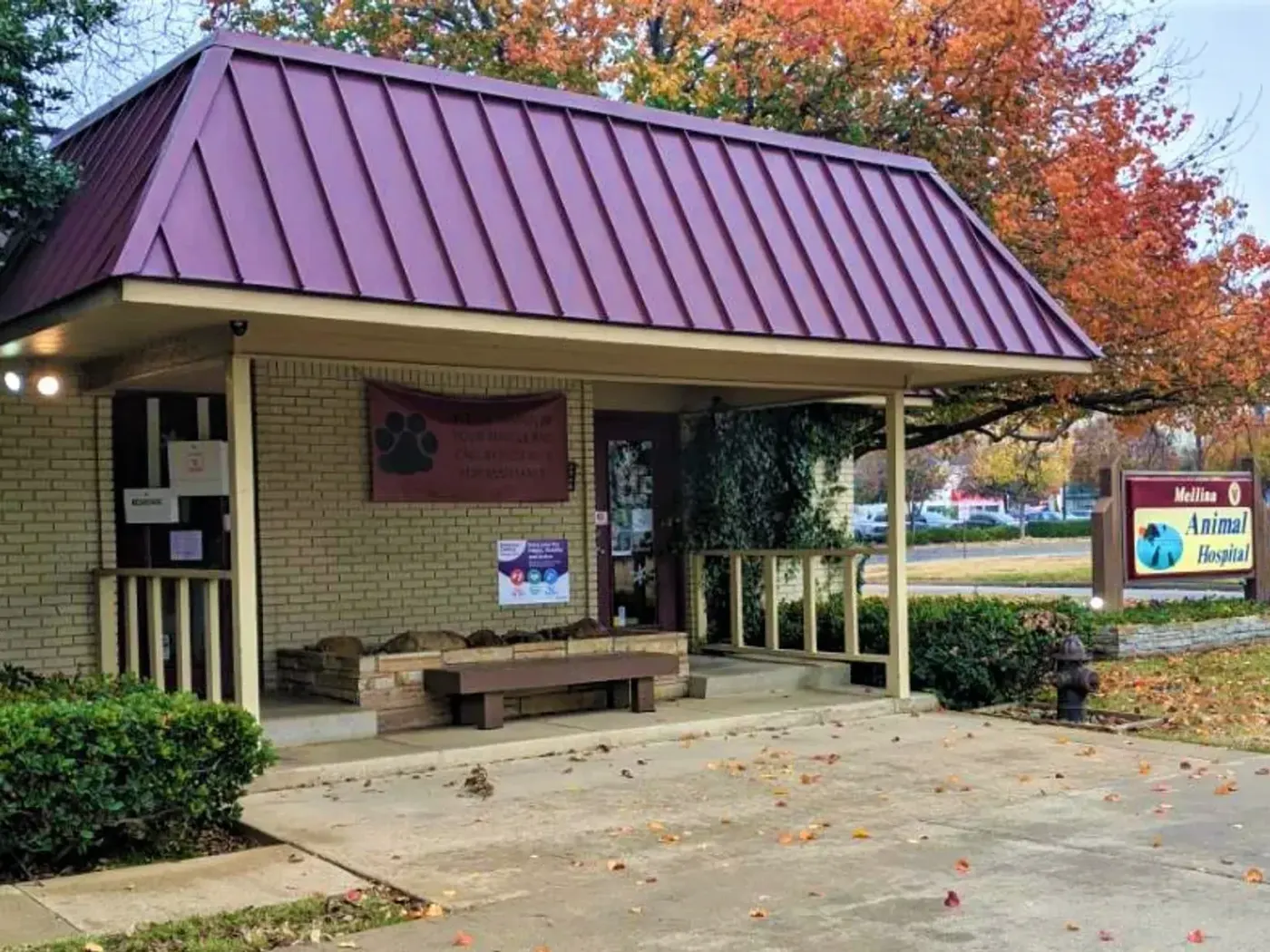
- Give it time. Most dogs adjust within 2–3 weeks. If symptoms persist beyond that, schedule a wellness exam at Mellina Animal Hospital in Fort Worth.
Normal Adjustment vs. Depression: Key Differences
| Behavior | Normal Adjustment | Depression |
|---|---|---|
| Appetite | Skips a meal or two, then eats normally | Refuses food for more than 24 hours |
| Sleep | Sleeps more than usual but wakes for walks/play | Sleeps excessively, hard to wake |
| Interest in play | Shows interest after a few days | No interest in toys or walks for 2+ weeks |
| Hiding | Occasional hiding, but comes out for meals | Constant hiding, avoids all interaction |
| Bathroom habits | Accidents in first few days, then improves | Frequent accidents after the first week |
| Duration | Improves within 2–3 weeks | Persists or worsens beyond 3 weeks |
If you're unsure, keep a daily log of your dog's behavior—it helps you spot patterns and gives your vet useful information.
Remember, depression in dogs is a real condition, not just 'bad behavior.' The American Society for the Prevention of Cruelty to Animals emphasizes that behavioral changes can signal underlying stress or health issues.
When to Visit the Vet for Dog Depression
If your dog shows no improvement after 2–3 weeks, or if you notice refusing food for more than 24 hours, vomiting, diarrhea, or extreme lethargy, it's time to see a vet. These could indicate a medical issue, not just depression. At Mellina Animal Hospital in Fort Worth, we offer wellness exams and can rule out underlying conditions. We also accept walk-ins during business hours (Mon–Fri 7:30 AM–5:30 PM, Sat 8 AM–12 PM). For after-hours emergencies, we recommend Fort Worth Animal Emergency Hospital. Call us at (817) 332-8179 to schedule an appointment.
For details on services and visits, see the main page about veterinarian fort worth.
Sources
Frequently asked questions
How long does dog depression last after rehoming?
Most dogs show signs of depression for 2–3 weeks after rehoming. If symptoms persist beyond that, or if they worsen, a vet visit is recommended to rule out medical causes.
Can a dog become depressed after being rehomed?
Yes, dogs can experience depression after rehoming due to the loss of their previous environment and family. Symptoms like lethargy, loss of appetite, and hiding are common but usually temporary.
What should I do if my dog won't eat after rehoming?
Try hand-feeding, adding warm water or low-sodium broth to their food, and offering small, frequent meals. If your dog refuses food for more than 24 hours, contact Mellina Animal Hospital for guidance.
Is it normal for a rehomed dog to sleep a lot?
Yes, increased sleep is a common adjustment response. However, if your dog sleeps excessively and is hard to wake, or if it continues beyond a few weeks, consult a vet.
Also asked as
- How long does dog depression last after rehoming?
- What are the symptoms of depression in a newly adopted dog?
- How can I tell if my rehomed dog is sad or just adjusting?